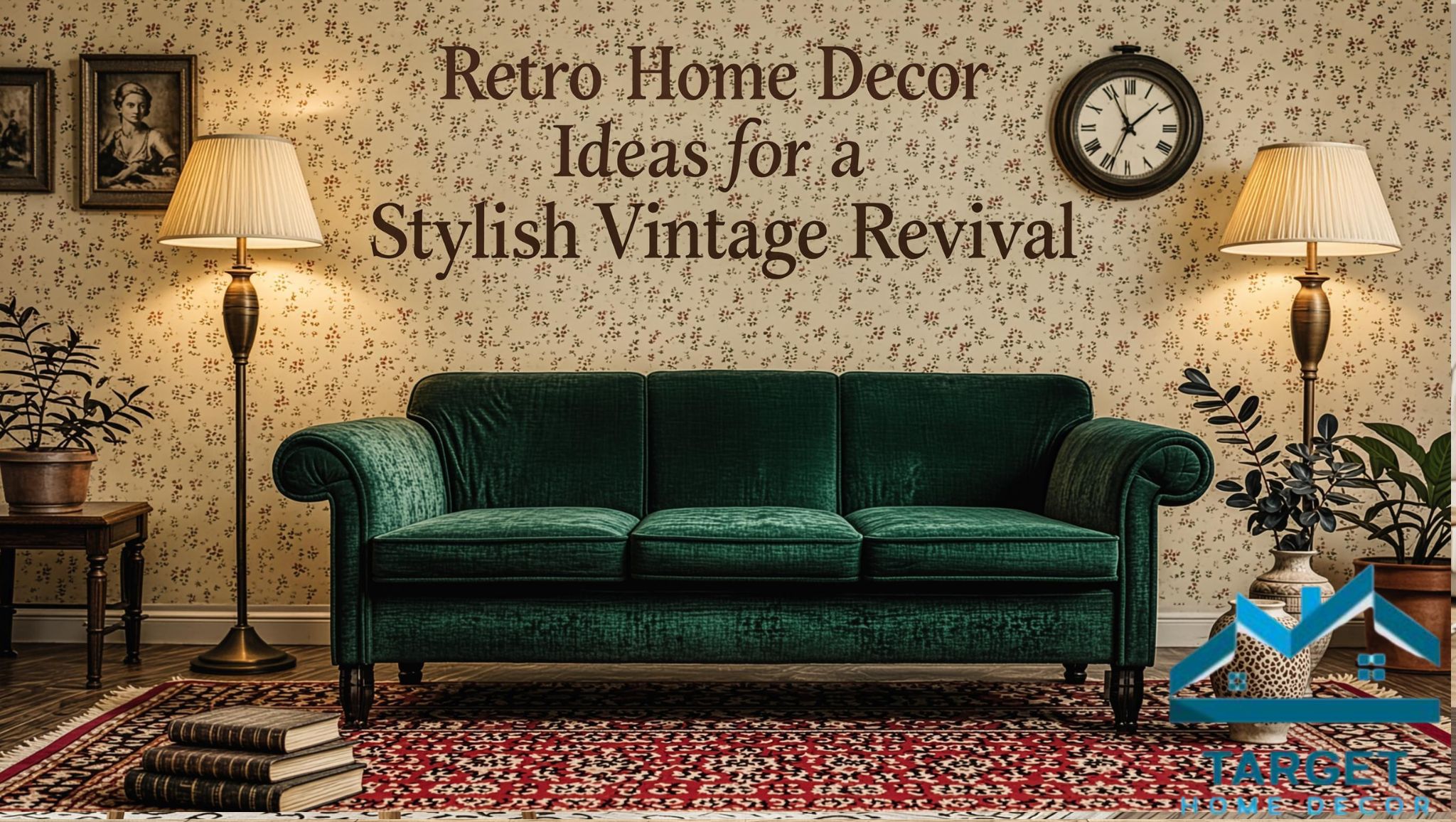
Retro Home Decor Ideas for a Stylish Vintage Revival
What makes certain rooms instantly memorable? Sometimes it’s not luxury or size but personality. That unmistakable charm is exactly why retro home decor continues to captivate homeowners, designers, and vintage enthusiasts around the world.
Retro interiors celebrate the bold colors, distinctive furniture, playful patterns, and nostalgic elements that defined previous decades. From the sleek sophistication of the 1950s to the vibrant energy of the 1970s, retro-inspired spaces bring character and warmth into modern homes.
Whether you’re drawn to vintage treasures, iconic furniture, or colorful accents, decorating with retro influences allows you to create a home that feels both timeless and uniquely personal.
What Is Retro Home Design?
Retro design refers to interior styles inspired by trends from the 1950s, 1960s, 1970s, and occasionally the 1980s.
Rather than replicating a specific historical period exactly, retro decorating combines vintage-inspired elements with modern functionality. The result is a space that feels nostalgic while remaining practical for contemporary living.
Characteristics of Retro Interiors
Common features include:
- Bold color palettes
- Geometric patterns
- Vintage furniture
- Statement lighting
- Playful accessories
- Curved shapes
- Mixed materials
These elements create the distinctive personality associated with retro home decor.
![Retro-inspired living room with colorful furniture, geometric patterns, and vintage accents]
The History Behind Retro Design
Understanding retro design helps homeowners make more intentional decorating choices.
The 1950s Influence
The post-war era introduced:
- Streamlined furniture
- Pastel colors
- Chrome finishes
- Optimistic design elements
This decade emphasized comfort, innovation, and modern living.
The 1960s Revolution
Interior design became more experimental through:
- Bold color combinations
- Pop art influences
- Plastic furniture
- Geometric patterns
The 1960s embraced creativity and self-expression.
The 1970s Impact
The 1970s brought warmth and texture through:
- Earth tones
- Natural materials
- Shag rugs
- Wood paneling
- Organic shapes
Many modern retro-inspired spaces borrow heavily from this era.
Choosing the Perfect Retro Color Palette
Color is one of the most recognizable aspects of retro decorating.
Bright and Playful Colors
Popular retro shades include:
- Mustard yellow
- Avocado green
- Burnt orange
- Turquoise
- Cherry red
These colors instantly create nostalgic appeal.
Earth-Tone Combinations
For a more sophisticated approach, consider:
- Olive green
- Rust
- Brown
- Cream
- Beige
These tones create warmth without overwhelming the room.
Retro Furniture Essentials
Furniture often serves as the foundation of successful retro home decor.
Mid-Century Modern Pieces
Mid-century furniture remains one of the most sought-after retro styles.
Look for:
- Tapered wooden legs
- Clean lines
- Organic shapes
- Functional designs
These pieces blend effortlessly with modern interiors.
Statement Seating
Popular retro seating options include:
- Egg chairs
- Velvet armchairs
- Curved sofas
- Lounge chairs
A single statement chair can dramatically influence a room’s overall aesthetic. You may also read this: Types of Home Decor Styles Every Homeowner Should Know.
Patterns That Define Retro Style
Patterns are essential when creating authentic retro-inspired spaces.
Geometric Designs
Retro interiors often feature:
- Circles
- Diamonds
- Abstract shapes
- Repeating motifs
These patterns add energy and visual interest.
Floral and Psychedelic Prints
Particularly popular during the 1960s and 1970s, these designs create a playful atmosphere.
Use them through:
- Wallpaper
- Upholstery
- Curtains
- Throw pillows
Balance is important to avoid visual clutter.
Lighting in Retro Interiors
Lighting is both functional and decorative.
Iconic Retro Lighting Styles
Popular options include:
- Globe pendants
- Arc floor lamps
- Sputnik chandeliers
- Mushroom lamps
These fixtures often become focal points within a room.
Creating Ambient Lighting
Warm lighting enhances nostalgic charm.
Consider:
- Soft LED bulbs
- Accent lamps
- Layered lighting
- Decorative sconces
The right lighting helps highlight the personality of retro home decor.
Decorating a Retro Living Room
The living room provides the ideal space to showcase retro style.
Essential Furniture Pieces
Include:
- Low-profile sofas
- Vintage coffee tables
- Statement chairs
- Wooden media consoles
These pieces establish the room’s foundation.
Decorative Accessories
Popular additions include:
- Vinyl records
- Vintage clocks
- Retro posters
- Ceramic sculptures
- Record players
Accessories help personalize the space while reinforcing the theme.
Creating a Retro Kitchen
Retro kitchens remain one of the most beloved design styles.
Vintage-Inspired Appliances
Many modern manufacturers now offer appliances inspired by classic designs.
Look for:
- Rounded refrigerators
- Colorful mixers
- Vintage-style ovens
- Retro coffee machines
These pieces combine nostalgia with modern technology.
Classic Kitchen Colors
Popular combinations include:
- Mint and white
- Red and black
- Turquoise and cream
- Yellow and gray
These color pairings instantly evoke vintage charm.
Retro Bedroom Ideas
Bedrooms benefit from retro influences because they naturally feel cozy and inviting.
Furniture Selection
Choose:
- Platform beds
- Wooden dressers
- Vintage nightstands
- Curved headboards
These pieces provide timeless appeal.
Textiles and Bedding
Add character through:
- Geometric bedding
- Velvet cushions
- Patterned throws
- Retro-inspired curtains
Textures help create depth and warmth.
![Stylish retro bedroom featuring mid-century furniture, vintage lighting, and colorful accents]
Incorporating Retro Wall Decor
Walls provide an opportunity to showcase creativity.
Artwork Options
Consider:
- Vintage advertisements
- Abstract prints
- Pop art reproductions
- Framed album covers
These pieces add personality without overwhelming the space.
Wallpaper Trends
Wallpaper is making a major comeback in retro home decor.
Popular designs include:
- Geometric prints
- Floral motifs
- Abstract patterns
- Bold color combinations
Feature walls work particularly well for retro-inspired spaces.
Mixing Retro and Modern Design
One of today’s most popular approaches combines retro influences with contemporary design.
Why This Combination Works
Modern elements provide:
- Functionality
- Simplicity
- Clean aesthetics
Retro details contribute:
- Personality
- Warmth
- Visual interest
The combination creates balanced interiors that feel current yet nostalgic.
Tips for Blending Styles
Follow these guidelines:
- Choose one dominant style
- Limit bold patterns
- Maintain a consistent color palette
- Focus on quality furniture
This prevents rooms from feeling chaotic.
Retro Home Office Inspiration
Home offices can benefit from vintage-inspired touches.
Desk and Seating Choices
Consider:
- Wooden desks
- Leather office chairs
- Vintage filing cabinets
- Retro desk lamps
These elements create an inspiring workspace.
Decorative Details
Add:
- Vintage clocks
- Record-inspired art
- Retro shelving
- Classic desk accessories
These details make workspaces feel more engaging.
Common Retro Decorating Mistakes
Avoid these common errors:
- Using too many colors at once
- Overloading rooms with vintage items
- Ignoring functionality
- Mixing conflicting decades excessively
- Choosing low-quality reproductions
- Neglecting lighting design
- Creating visual clutter
The best retro spaces feel curated rather than crowded.
Why Retro Home Decor Remains Popular
The lasting appeal of retro interiors comes from their ability to evoke emotion.
Unlike many modern trends, retro design tells a story. Every piece feels meaningful, every color creates nostalgia, and every room reflects a sense of individuality.
People increasingly seek homes that feel personal rather than generic. Retro-inspired decorating offers exactly that opportunity.
FAQ
What is retro home decor?
Retro home decor refers to interior styles inspired by design trends from the 1950s, 1960s, and 1970s, featuring bold colors, vintage furniture, and nostalgic accents.
How is retro different from vintage?
Vintage typically refers to authentic items from a particular era, while retro includes modern pieces inspired by past styles.
What colors are commonly used in retro interiors?
Mustard yellow, avocado green, burnt orange, turquoise, and warm earth tones are among the most popular retro colors.
Can retro design work in modern homes?
Yes. Many homeowners successfully combine retro elements with contemporary furniture and layouts.
What furniture defines retro style?
Mid-century modern furniture, curved seating, wooden pieces, and statement chairs are common choices.
Is retro decorating expensive?
Not necessarily. Thrift stores, flea markets, and vintage-inspired reproductions offer affordable options.
Which room is easiest to decorate in retro style?
Living rooms and kitchens are often the easiest spaces to incorporate retro-inspired design elements.
Are retro interiors still fashionable?
Absolutely. Retro-inspired spaces continue to influence contemporary interior design trends worldwide.
Conclusion
The enduring charm of retro home decor lies in its ability to celebrate personality, creativity, and nostalgia while remaining functional for modern living. Whether you’re inspired by the sleek sophistication of the 1950s, the artistic energy of the 1960s, or the earthy warmth of the 1970s, retro design offers endless opportunities to create a home filled with character. By combining iconic furniture, bold colors, vintage-inspired accessories, and thoughtful styling, you can build a space that feels timeless, welcoming, and uniquely your own.