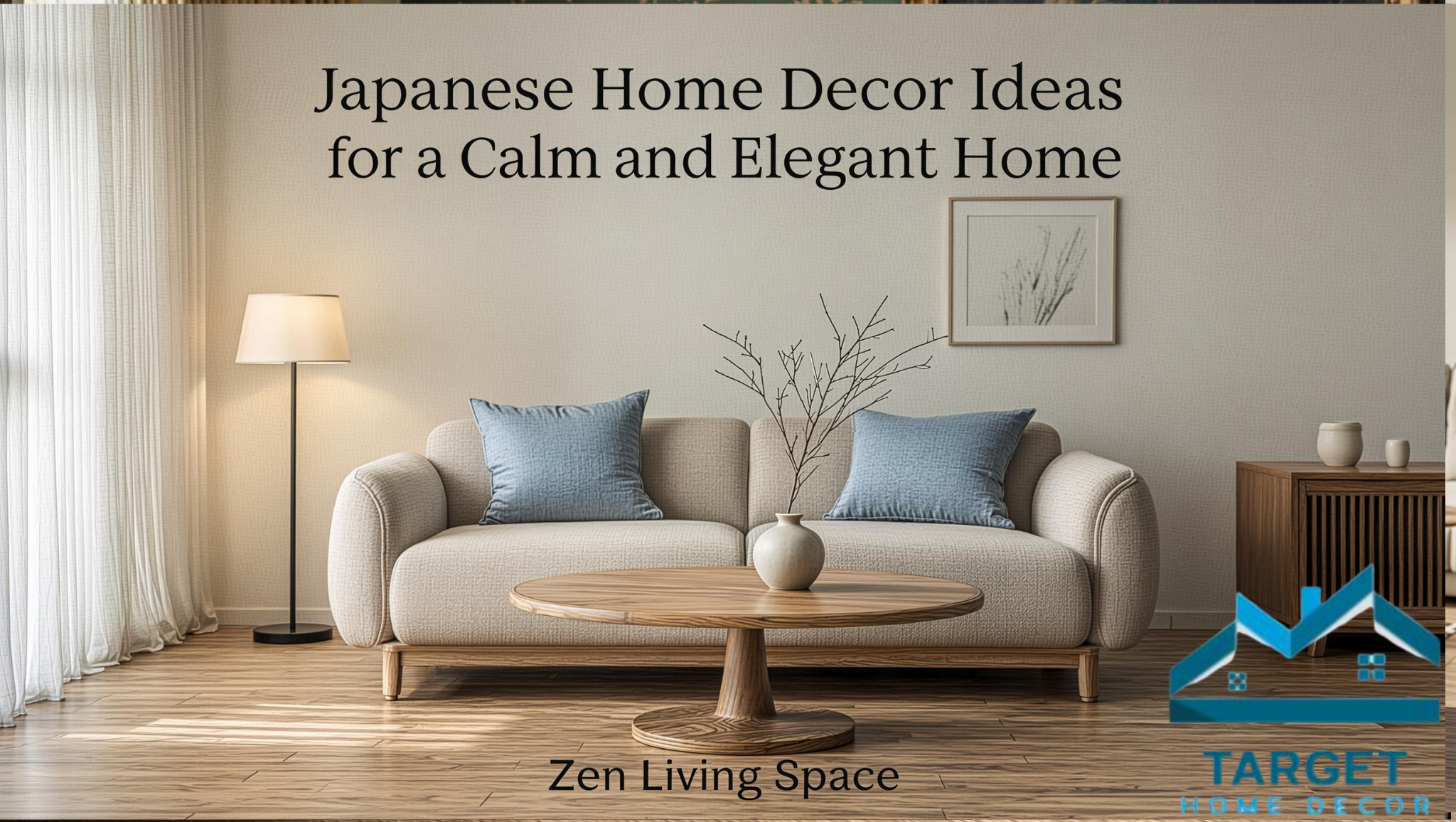
Japanese Home Decor Ideas for a Calm and Elegant Home
There’s something undeniably peaceful about walking into a space that feels balanced, uncluttered, and connected to nature. That quiet sense of harmony is exactly why japanese home decor continues to inspire homeowners and designers around the world.
Unlike trends that come and go, Japanese interiors focus on timeless principles that create comfort, functionality, and beauty. Every object has a purpose, every piece of furniture earns its place, and every design choice contributes to a sense of calm.
Whether you live in a spacious home or a compact apartment, Japanese-inspired design offers practical ways to create a more relaxing environment. From natural materials and minimalist layouts to thoughtful lighting and handcrafted details, this style proves that simplicity can be incredibly sophisticated.
In this guide, you’ll discover the essential elements, design philosophies, decorating ideas, and practical tips that make Japanese interiors so captivating and enduring.
Understanding the Philosophy Behind Japanese Home Design
Before choosing furniture or accessories, it’s important to understand the philosophy that shapes Japanese interiors.
Japanese design is deeply influenced by nature, mindfulness, and simplicity. Rather than filling a room with decorative items, the goal is to create spaces that support peaceful living and everyday functionality.
Key principles include:
- Simplicity over excess
- Natural beauty over artificial perfection
- Functionality over ornamentation
- Balance and harmony in every room
- Strong connection to nature
These values form the foundation of authentic japanese home decor and help explain why the style feels so calming.
![Traditional Japanese living room with natural wood, tatami mats, and soft lighting]
The Beauty of Minimalism
Why Less Truly Is More
Minimalism is one of the most recognizable characteristics of Japanese interiors.
Instead of overcrowding rooms with furniture and decorations, Japanese homes prioritize open space. Empty areas are viewed as valuable design elements rather than unused space.
Benefits of minimalist living include:
- Reduced visual stress
- Easier cleaning and organization
- Better focus and productivity
- Improved relaxation
- Greater appreciation for meaningful possessions
Minimalism doesn’t mean your home must feel cold or empty. The goal is to carefully select pieces that add value and purpose.
Creating Visual Balance
Japanese rooms often feature:
- Low-profile furniture
- Clean lines
- Neutral colors
- Hidden storage
- Open floor plans
This combination creates an environment that feels airy and welcoming.
Natural Materials: The Heart of Japanese Interiors
Nature plays a central role in japanese home decor.
Traditional Japanese homes incorporate materials that age beautifully and connect indoor spaces with the natural world. You may also read this: Spring Home Decor Ideas to Refresh Every Room.
Popular Natural Materials
Wood
Wood is perhaps the most important material in Japanese design.
Common choices include:
- Cedar
- Cypress
- Oak
- Bamboo
Natural wood tones add warmth while maintaining simplicity.
Bamboo
Bamboo is sustainable, durable, and visually appealing. It appears in furniture, room dividers, flooring, and decorative accents.
Stone
Natural stone introduces texture and grounding energy into a space. Small stone arrangements and stone-inspired decor elements are often used to create a sense of tranquility.
Paper
Rice paper is traditionally used in shoji screens and lamps, diffusing light softly throughout a room.
![Infographic: Core Elements of Japanese Interior Design – Nature, Minimalism, Light, Balance, and Functionality]
The Influence of Wabi-Sabi
What Is Wabi-Sabi?
Wabi-sabi is a Japanese philosophy that embraces imperfection, authenticity, and the beauty of aging.
Rather than seeking flawless design, wabi-sabi celebrates:
- Handmade craftsmanship
- Natural wear and patina
- Organic shapes
- Simplicity
- Impermanence
A handmade ceramic vase with slight imperfections may be considered more beautiful than a mass-produced item.
Incorporating Wabi-Sabi at Home
You can embrace wabi-sabi by:
- Choosing handcrafted decor
- Displaying natural textures
- Using vintage furniture
- Appreciating imperfections
- Avoiding overly polished finishes
This philosophy adds warmth and character to japanese home decor while maintaining elegance.
Japanese Color Palettes
Color plays a subtle but powerful role in Japanese interiors.
Common Neutral Colors
Popular shades include:
- Warm white
- Beige
- Cream
- Soft gray
- Taupe
- Sand
These colors create a peaceful backdrop and allow natural materials to shine.
Nature-Inspired Accent Colors
Accent colors often reflect elements found in nature:
- Forest green
- Moss green
- Charcoal
- Earth brown
- Muted blue
These tones add depth without overwhelming the space.
Furniture Characteristics
Low-Profile Designs
Traditional Japanese furniture sits closer to the floor than Western furniture.
Examples include:
- Floor cushions
- Low tables
- Platform beds
- Minimal sofas
Low-profile furniture creates an open feeling and emphasizes horizontal lines.
Functional and Purposeful Pieces
Every piece of furniture should serve a purpose.
When selecting furniture, prioritize:
- Quality craftsmanship
- Durability
- Simplicity
- Comfort
- Multi-functionality
This approach is a defining feature of japanese home decor.
Bringing Nature Indoors
Indoor Plants
Plants strengthen the connection between indoor and outdoor spaces.
Popular options include:
- Bonsai trees
- Bamboo plants
- Snake plants
- Peace lilies
- Ficus trees
Choose plants with simple forms rather than overly dramatic arrangements.
Natural Light
Japanese interiors maximize natural light whenever possible.
Strategies include:
- Large windows
- Lightweight curtains
- Open layouts
- Reflective surfaces
Soft natural light enhances the peaceful atmosphere.
![Modern Japandi-inspired living room with indoor plants, low furniture, and neutral tones]
Traditional Japanese Design Elements
Shoji Screens
Shoji screens are sliding panels made from wood and translucent paper.
Benefits include:
- Flexible room division
- Enhanced natural light
- Elegant aesthetics
- Space efficiency
Tatami Mats
Tatami mats are traditional flooring materials made from woven rush grass.
They provide:
- Natural texture
- Comfort
- Insulation
- Authentic Japanese character
Tokonoma Alcove
A tokonoma is a decorative niche used to display artwork, flowers, or meaningful objects.
Rather than displaying many items, the focus remains on one carefully selected piece.
The Rise of Japandi Style
What Is Japandi?
Japandi combines Japanese minimalism with Scandinavian functionality.
The style has become increasingly popular because it balances warmth and simplicity.
Characteristics include:
- Neutral color palettes
- Clean lines
- Natural materials
- Cozy textures
- Functional design
Many modern homeowners use Japandi as an accessible interpretation of japanese home decor.
Why Japandi Works So Well
Japanese and Scandinavian design share many values:
- Simplicity
- Craftsmanship
- Functionality
- Appreciation of nature
Their combination creates interiors that feel both elegant and inviting.
Japanese Bedroom Design
Creating a Restful Retreat
The bedroom should feel calm and uncluttered.
Consider:
- Platform beds
- Neutral bedding
- Soft lighting
- Minimal decor
- Natural materials
Avoid excessive furniture and decorative distractions.
Lighting Tips
Choose lighting that promotes relaxation:
- Paper lantern lamps
- Warm LED bulbs
- Indirect lighting
- Dimmable fixtures
Soft illumination contributes significantly to the peaceful atmosphere associated with japanese home decor.
Japanese Living Room Ideas
Focus on Comfort and Simplicity
A Japanese-inspired living room emphasizes relaxation.
Key features include:
- Low seating
- Open layouts
- Natural textures
- Neutral colors
- Thoughtful decor placement
Decorative Accessories
Keep decorative items intentional.
Good choices include:
- Ceramic vases
- Bonsai displays
- Linen textiles
- Handmade pottery
- Traditional artwork
The goal is quality over quantity.
Japanese Kitchen Inspiration
Clean and Functional Layouts
Japanese kitchens prioritize efficiency.
Essential characteristics include:
- Organized storage
- Minimal countertops
- Practical layouts
- Easy-to-clean surfaces
Smart Storage Solutions
Storage is crucial in maintaining a clutter-free environment.
Popular options include:
- Hidden cabinets
- Drawer organizers
- Open wooden shelving
- Multi-purpose storage units
Creating a Japanese Bathroom Experience
Japanese bathrooms often resemble personal spas.
Features may include:
- Natural wood accents
- Stone elements
- Deep soaking tubs
- Soft lighting
- Neutral colors
Adding these details can transform everyday routines into relaxing rituals.
Common Mistakes to Avoid
When designing a Japanese-inspired space, avoid:
- Overdecorating rooms
- Using too many bold colors
- Buying decorative items without purpose
- Ignoring natural materials
- Filling every empty space
Remember that negative space is an important component of the overall design.
Frequently Asked Questions
What is the main characteristic of japanese home decor?
The primary characteristic is simplicity combined with functionality, natural materials, and a strong connection to nature.
Can Japanese decor work in small apartments?
Yes. Japanese design is particularly effective in small spaces because it emphasizes organization, minimalism, and efficient furniture.
What colors are most common in Japanese interiors?
Neutral shades such as white, beige, gray, taupe, and natural wood tones are most commonly used.
What is the difference between Japanese and Scandinavian design?
Japanese design focuses heavily on minimalism and nature, while Scandinavian design incorporates more warmth and cozy elements. Japandi combines both approaches.
Are tatami mats necessary for an authentic look?
No. While traditional, tatami mats are not essential. Natural textures and minimalist design principles can achieve a similar aesthetic.
What furniture works best in Japanese-inspired homes?
Low-profile furniture, platform beds, simple tables, and functional storage pieces are ideal choices.
How can I add Japanese style on a budget?
Start with decluttering, incorporating natural materials, using neutral colors, and adding a few carefully selected decorative pieces.
What plants fit Japanese interiors best?
Bonsai trees, bamboo, snake plants, peace lilies, and ficus trees are excellent options.
Conclusion
The enduring appeal of japanese home decor lies in its ability to create peaceful, functional, and beautiful living environments. Rather than chasing trends, this design philosophy encourages mindful choices, meaningful possessions, and a deeper connection to nature.
By embracing natural materials, thoughtful organization, soft color palettes, and purposeful simplicity, you can transform any room into a sanctuary of calm. Whether you adopt a few Japanese-inspired elements or fully embrace the style, the result is a home that feels balanced, welcoming, and timeless.